 View Instron on TEKEN44
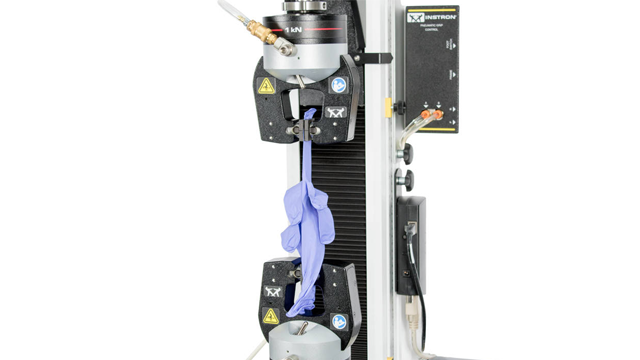
ASTM D6319, ISO 11193, and EN 455-2 are standards used by the biomedical industry to regulate the tensile properties of medical gloves. Used primarily during the quality control process, these tests ensure that the glove material meets expected criteria for tensile strength and elongation so that the gloves do not fail during use. This is extremely important, as glove failure in medical settings could expose the care provider or patient to dangerous and potentially life-threatening contaminants. Medical gloves are manufactured from a wide variety of materials and are designed for different applications. Materials used for medical gloves generally vary from latex to nitrile, PVC, natural rubber, or polychloroprene, with the requirements for surgical gloves being more stringent than those designed for patient examination. Though there are three standards commonly used to evaluate their tensile properties, their differences are minor, and all require the same basic test setup and procedure. This guide will provide a general overview of the testing process, but should not be considered a substitute for reading the full published standards.
EN 455-2
Medical gloves for single use - Part 2: Requirements and testing for physical properties
ASTM D6319
Standard Specification for Nitrile Examination Glo...
ISO 11193-1
Single-use medical examination gloves Part 1: Specification for gloves made from rubber latex or rubber solution
ISO 11193-2
Single-use medical examination gloves Part 2: Specification for gloves made from poly(vinyl chloride)
TEKEN44 Similar Products


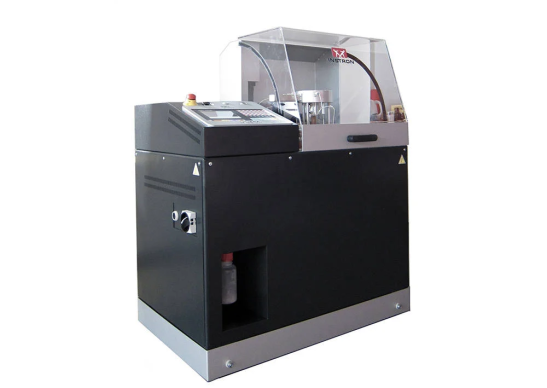
Google Lens Search · visually similar products
The TEKEN44 product image was analyzed with Google Lens via the TEKEN44 MCP server to find 20 visually similar products from across the web.