
SLB
SLB is a global technology company that drives energy innovation for a balanced planet. With a global footprint in more than 100 countries and employees representing almost twice as many nationalities, SLB works each day to decarbonize oil and gas and develop scalable new energy technologies to accelerate the energy transition.
All Products(11)

MFIV-II
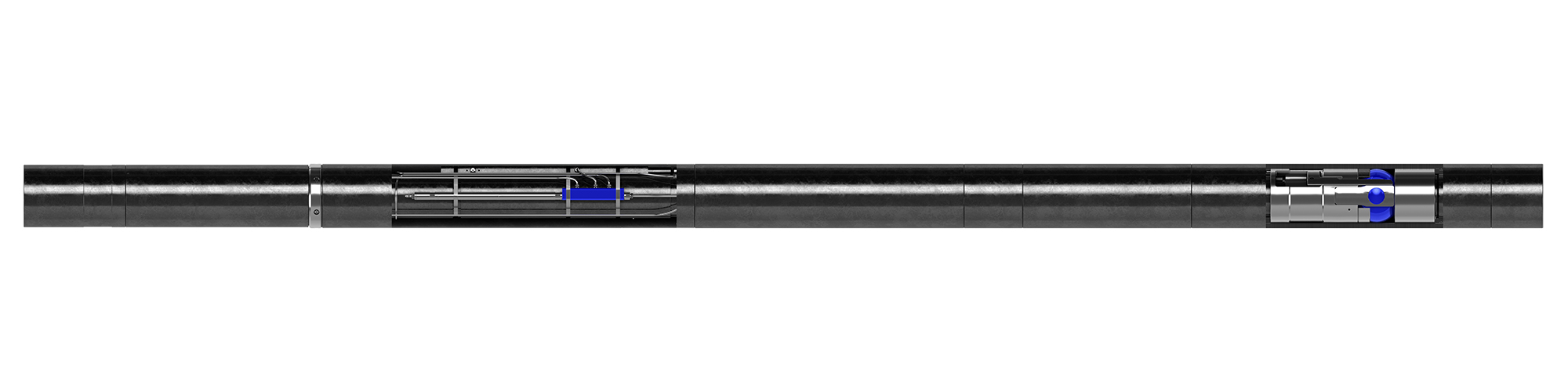
The MFIV-II™ mechanically controlled isolation valve is a cost-effective solution that enhances completion efficiency by providing a bidirectional barrier that can be mechanically opened and closed multiple times. It enables operators to transition seamlessly from the lower to the upper completion. Used widely in stand-alone screen completions, intelligent completions, gravel-pack systems, and workovers (including for ESP changeout), the valve prevents formation damage during upper completion deployment and reduces operational risk by isolating reservoir fluids. The MFIV-II valve is opened and closed with a shifting tool run on the end of washpipe, a perforating string, or coiled tubing. When the tool passes through the valve, it engages the shifting profile and the ball closes or opens the valve. Subsequently the shifting tool unlatches from the latch collet of the valve and is retrieved together with the washpipe. Two tools are available. The STC-6 shifting tool has an optimized ID for maximum flow rate through the tool, while the STR-6 tool has a smaller OD to enable it to pass through restrictions in the completion string. An emergency release mechanism is also available. Wireline actuation with real-time confirmation is available through our ReSOLVE™ instrumented wireline intervention service.
FIV-III
The FIV-III™ dual-trigger formation isolation valve is a Type CC, reclosable, bubble-tight barrier for well suspension. Its standard configuration incorporates two triggers for enhanced reliability and resilience; they are protected from wellbore debris within a mud- and solids-immune fluid system. eTrigger™ IV isolation valve electronic remote activation device enables up to 12-hour reduction in opening time and can support suspension for up to 6 months. Hydraulic trigger enables longer suspension times. The triggers activate a patented mechanical actuator, housed within a separate mud- and solids-immune fluid system that protects the shifting mechanism from wellbore fluids. This mechanism generates and maintains a high force throughout its travel, until the valve is fully open. Valve performance is validated beyond the requirements of API Spec 19V: 2019, 2nd edition. All these enhancements in the FIV-III valve provide superior operational resilience, barrier integrity, and suspension duration flexibility throughout the life of the well.

AFIV
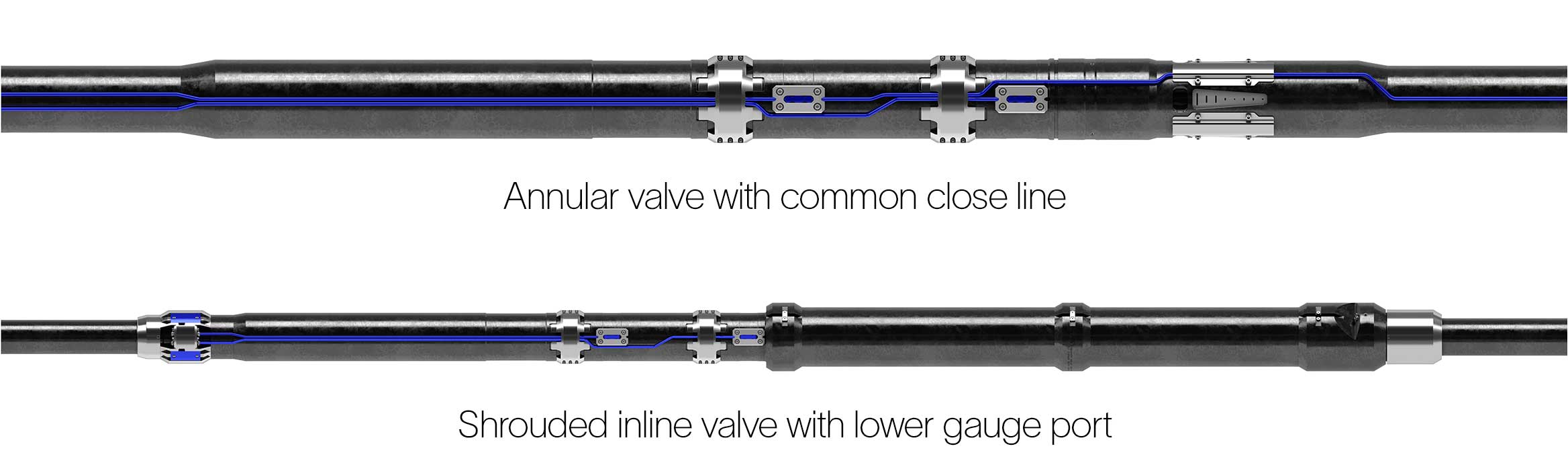
The AFIV™ annulus-controlled shrouded isolation valve features a robust shutoff sleeve to separate production from the upper and lower zones in intelligent completions. The sleeve controls fluid from the upper zone, which flows through the valve's internal annulus. Fluid from the lower zone passes unobstructed through the valve ID. The AFIV valve prevents formation damage resulting from fluid loss during completion operations. It provides a fluid isolation barrier for the upper zone, separating it from the lower zone, which is protected by a second isolation valve (ball valve) while production tubing is run. By separating the two zones, the valve enhances production, simplifies completion operations, and increases wellbore safety.
Vana interval control valves
Vana™ interval control valves are modular surface-actuated tubing-retrievable valves designed and engineered to control oil and gas production and injection for intelligent completion systems. They enable modular intelligent completion designs to accommodate a variety of well conditions. Vana ICVs are manufactured in various materials to suit a wide range of oil, water, and gas applications, including high-flow-rate production and injection wells. The rugged design makes the valve suitable for severe environments with scale deposits, erosion, and other demanding conditions.
ResFlow check-valve ICD
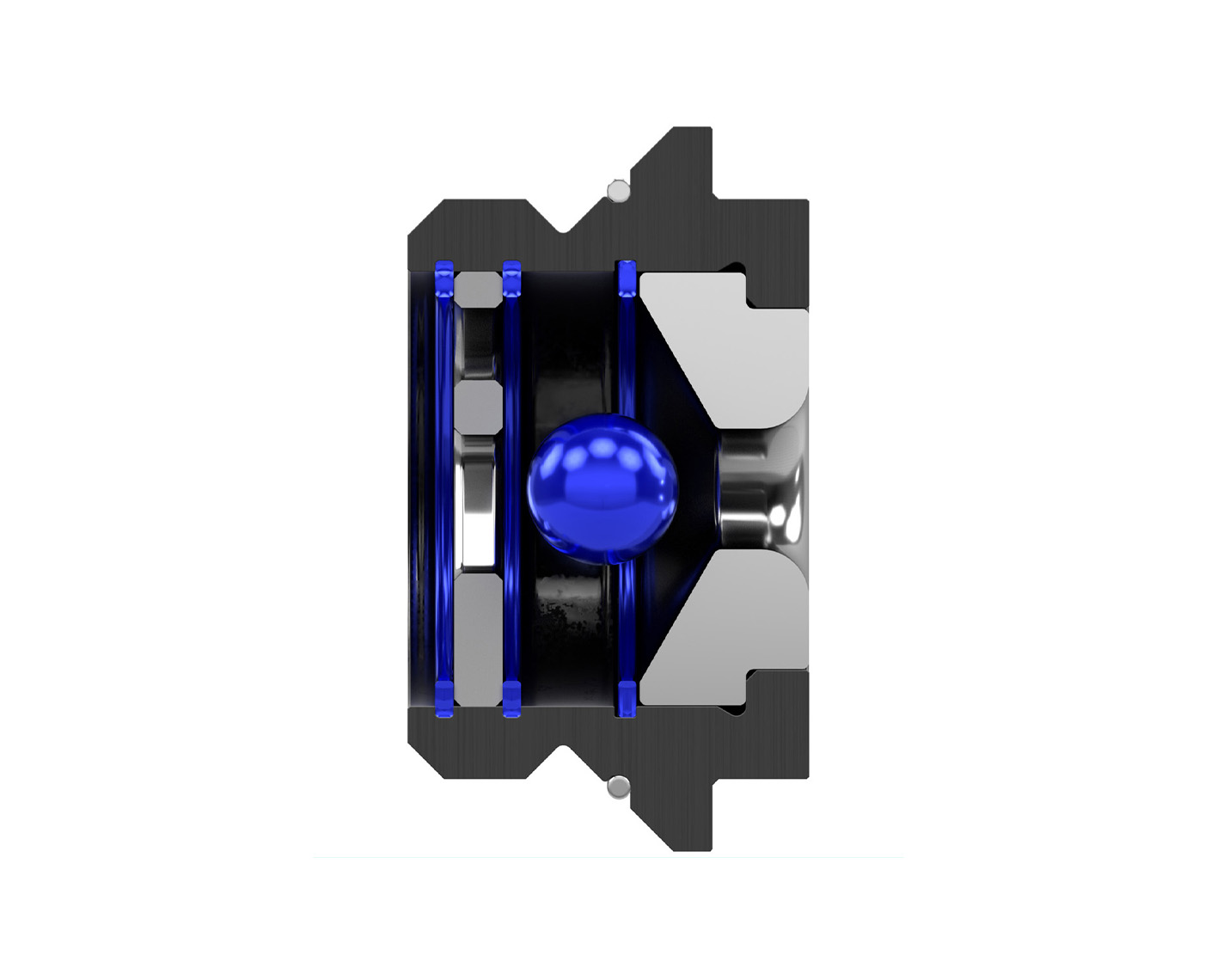
ResFlow check-valve ICDs enhance production by balancing in ow along the entire wellbore, promoting uniform reservoir depletion and maximizing recovery. In addition, they eliminate the need for washpipe during completion installation, simplifying operations and reducing opex—particularly valuable in offshore and extended-reach applications. Absence of washpipe also enables deploying longer bottomhole assemblies for increased reservoir access. The check-valve design prevents fluid loss during completion installation, maintaining hydraulic integrity. Once production starts, the ICDs help minimize early water or gas breakthrough by ensuring even drawdown across varying reservoir permeabilities, contributing to extended well life and improved sweep efficiency. Thus, integrating fluid-loss control directly into the ICD simplifies openhole completion designs while delivering more efficient well cleanup, improved production management, and long-term reservoir performance.
View Product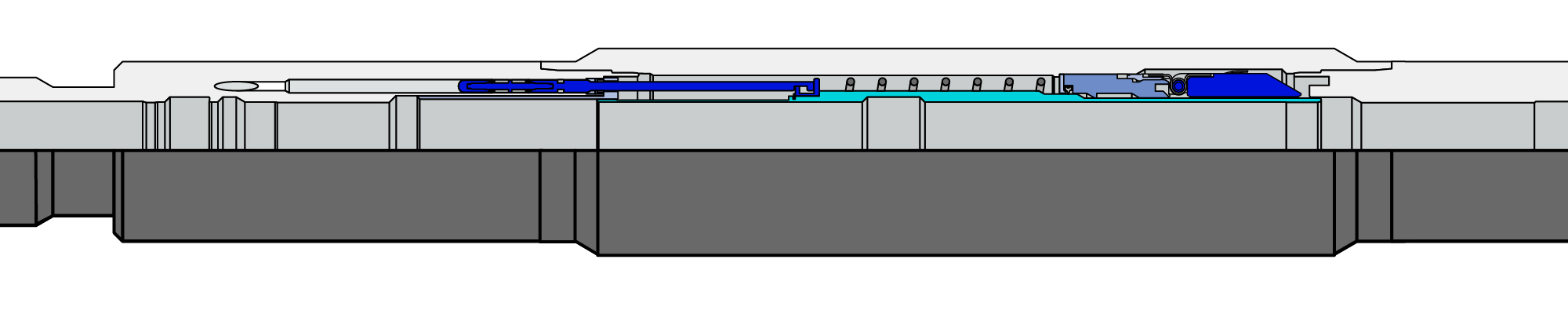
TRMAXX
TRMAXX™ surface-controlled subsurface safety valves are hydraulically actuated from surface by using a control line to transmit hydraulic signals to the valve. These tubing-pressure sensitive, standard spring valves have been rigorously tested and qualified per the requirements of API Spec 14A. They are suitable for a range of subsurface environments, including both production and injection wells and various wellbore fluids—oil, gas, and water. The robust design of TRMAXX valves is optimized for reliability and longevity. The premium dynamic seals of the hydraulic actuator enable seamless operation. Nonelastomeric rod-piston seals and static end stops ensure the pressure integrity of the hydraulic system whether the valve is in the open or closed position. A field-proven metal-to-metal flapper closure mechanism is used to isolate the wellbore, controlling flow to surface when closed.
Recovery
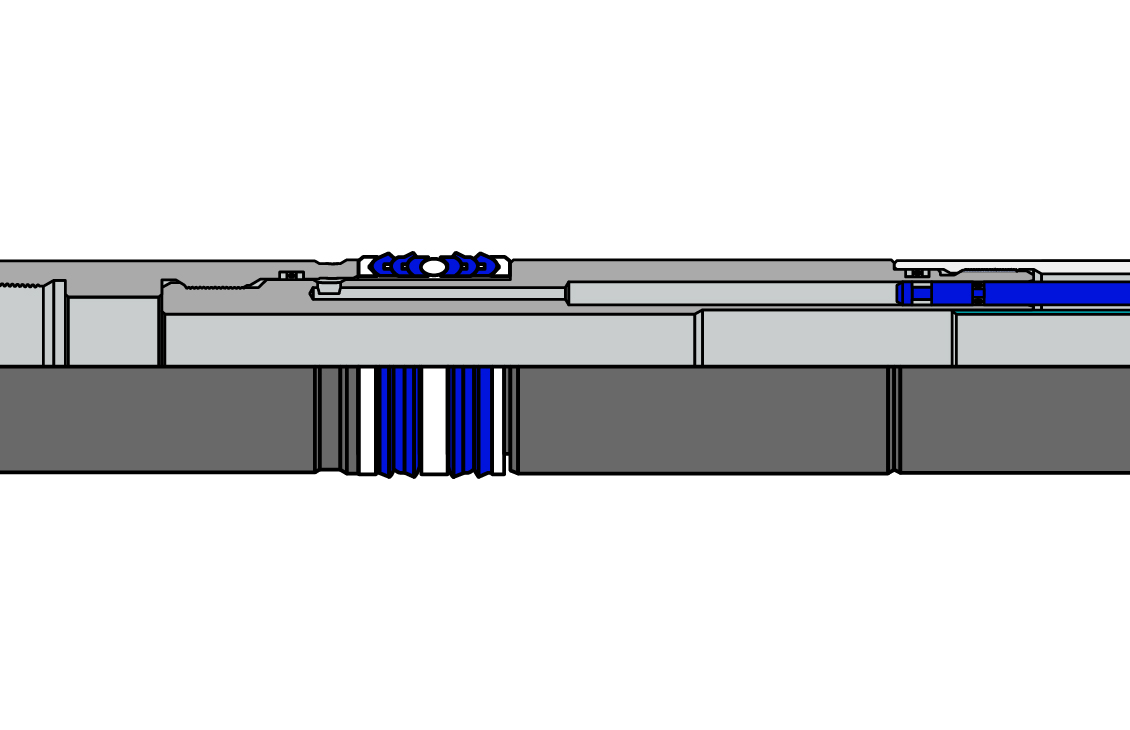
The Recovery™ wireline-retrievable subsurface safety valve is a value-driven, reliable choice. These hydraulically actuated, tubing-pressure sensitive, standard spring valves are suitable for a range of subsurface environments, including both production and injection wells and various wellbore fluids—oil, gas, and water. The rod-piston actuator uses premium dynamic seals and is combined with the rugged flapper-and-seat closure mechanism to provide long-term reliability. The versatile design is available in a range of sizes and accepts any manufacturer’s lock assembly. The Recovery valve can be used as the primary safety valve by placing it into a hydraulic communication nipple. Alternatively, it can be used as a contingency measure by placing it in a locked-open, tubing-mounted safety valve that is no longer operable.
Integrity INJ subsurface safety valve
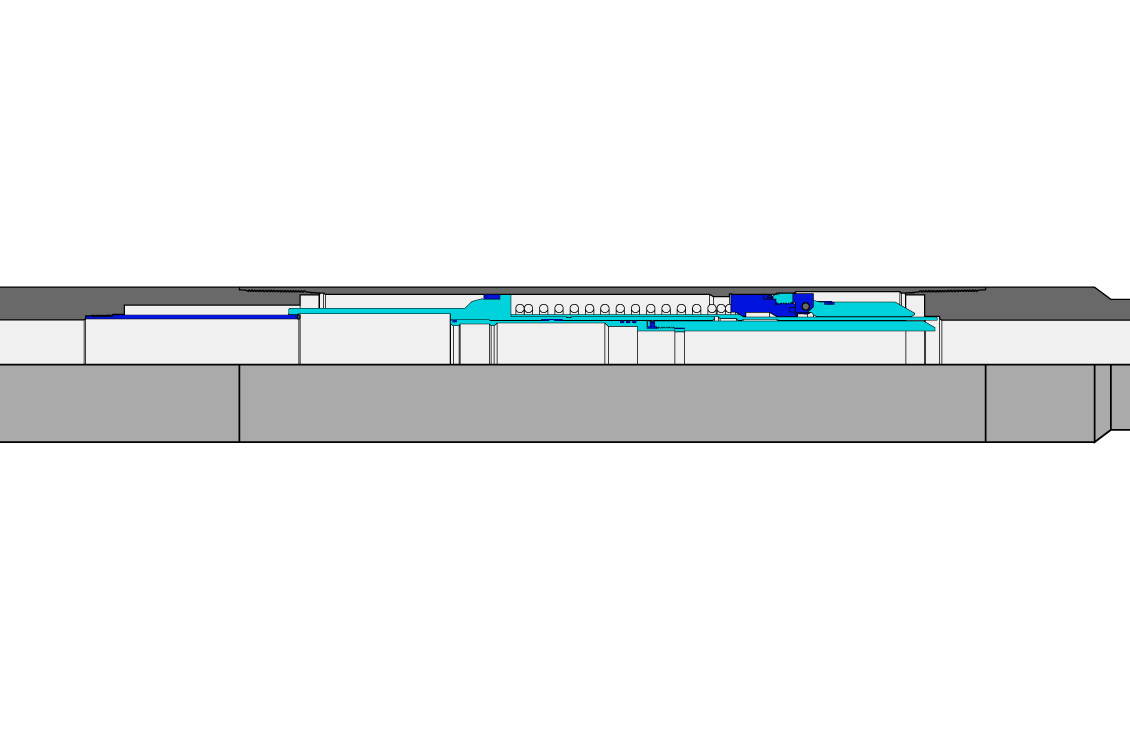
The large-bore design facilitates more efficient flow. This feature is especially beneficial in high-flow injection applications, enhancing overall valve performance. Integrity INJ valve maximizes reliability by minimizing potential leak paths. An optional coating is available for selected internal surfaces to minimize solids deposition, which can impede flow and negatively impact performance over time. The number of seals is minimized, reducing potential points of failure and enhancing the valve’s durability. Additionally, the optimized flow path and clearance between sliding components ensure smooth operation and reduce wear. These features collectively contribute to the valve’s robustness and longevity. No surface control is required, simplifying installation and operation.

Integrity HPHT subsurface safety valve
The valves have a robust design, with patented seal technology and resilient materials that are specifically chosen for their durability—a critical factor given the potential impact of HPHT conditions on long-term valve integrity. Rigorous testing and qualification processes ensure valve performance at extreme temperatures and pressures, especially during emergency closures. The valve actuator incorporates multizone seal technology to provide a dynamic seal solution that surpasses traditional seal systems in reliability. Designed for high performance and longevity, the actuator requires hydraulic pressure for operation, which simplifies control system requirements. This combination of advanced technology and thoughtful design ensures the effectiveness and dependability of Integrity HPHT safety valves.

Integrity ASV
Integrity™ ASV annular subsurface safety valves are validated to API Spec 14A (13th edition) V3-A, but their performance far exceeds the certification requirements for both barrier and hydraulic actuator integrity. They can be installed and retrieved in a single trip. Setting flexibility The integrated packer is set by pressuring up a dedicated hydraulic control line from surface, which eliminates tubing movement during the setting process. It can also be configured with a setting mandrel that enables conversion to traditional setting with tubing pressure. By placing a plug in the tubing below the Integrity ASV valve and plumbing the setting port to the setting mandrel, tubing pressure can be increased and communicated to the setting chamber for a more traditional packer setting sequence.
GeoGuard DW
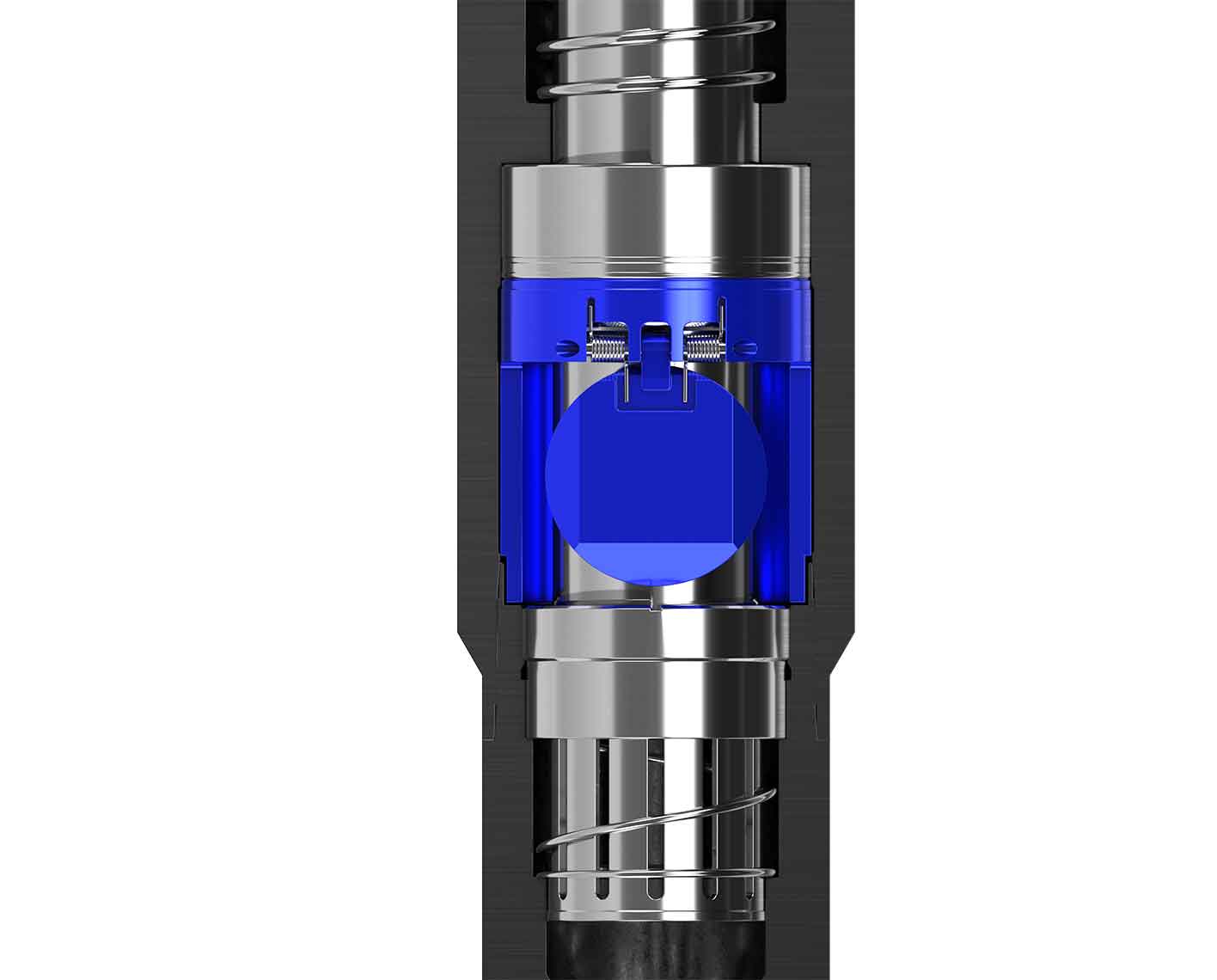
GeoGuard DW safety valves improve reliability compared with conventional subsurface safety valves (SSSVs). Patented seal technology and qualification methods enable extremely deep setting depths to avoid deposition of precipitates such as hydrates, paraffins, and scales in the safety valve. Flexible engineering design provides a choice of actuator types to ideally match the well’s subsea infrastructure requirements and completion architecture. The safety valves’ low hydraulic operating pressure also simplifies deepwater control system requirements.